Direct booking
Direct booking website: what it really needs
Your own direct booking website saves you commission, strengthens direct contact with guests, and frees you from the big platforms. But what does such a site really need to do so that guests actually use it?
What a direct booking website actually is
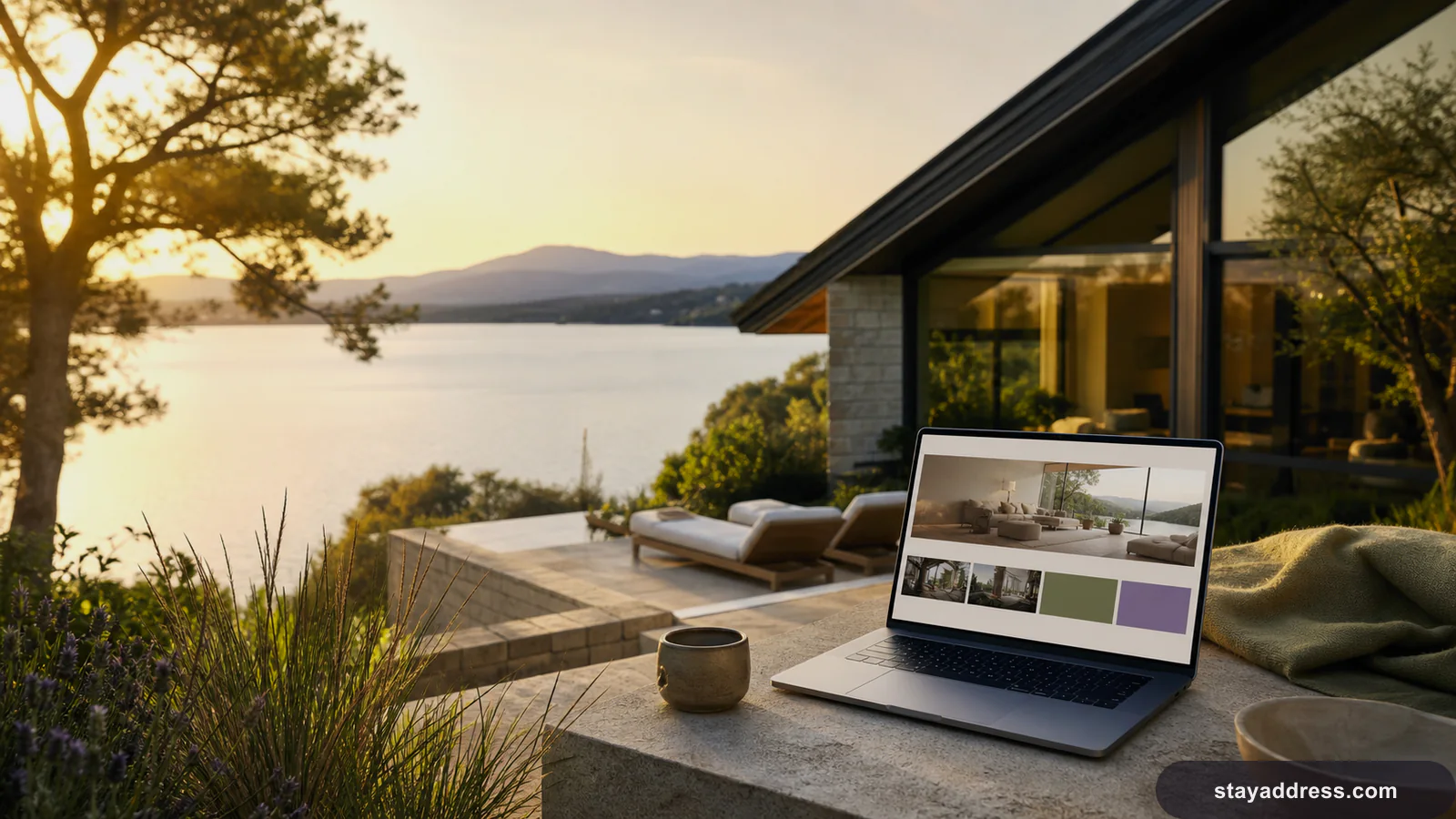
A direct booking website is your own web address where guests can book without going through platforms like Booking or Airbnb. It is the counterpart to a listing on a platform: instead of waiting on the big marketplaces for a guest to stumble across you, you bring them in through your own site.
Hostaway describes direct bookings as bookings that happen without an intermediary platform. Smoobu emphasizes that a direct booking website enables the direct relationship between host and guest, laying the foundation for repeat guests.
For small hosts this means: less commission, more control over prices, content and communication. At the same time, you take on tasks that the platform usually handles – like collecting payments or sending booking confirmations.
- Your own domain instead of a platform listing
- Booking happens directly between guest and host
- No or significantly reduced commission
- Full control over content, prices and appearance
Must-have content: what guests expect
A direct booking website lives or dies by its content. Smoobu lists several building blocks that no site should be without: a clear homepage, a dedicated page per property, a booking and cancellation page, and a page with house rules.
Hostaway adds that guests mainly want to know what they are booking, when they can arrive and what it costs. That is why photos, a description of the rooms, a map showing the location and surroundings, and a list of the most important amenities all belong on the site.
Cutting corners here costs you bookings. Unclear details push guests to book on a platform instead, where everything is answered in a standardized way.
- A dedicated subpage per vacation rental with photos, description and amenities
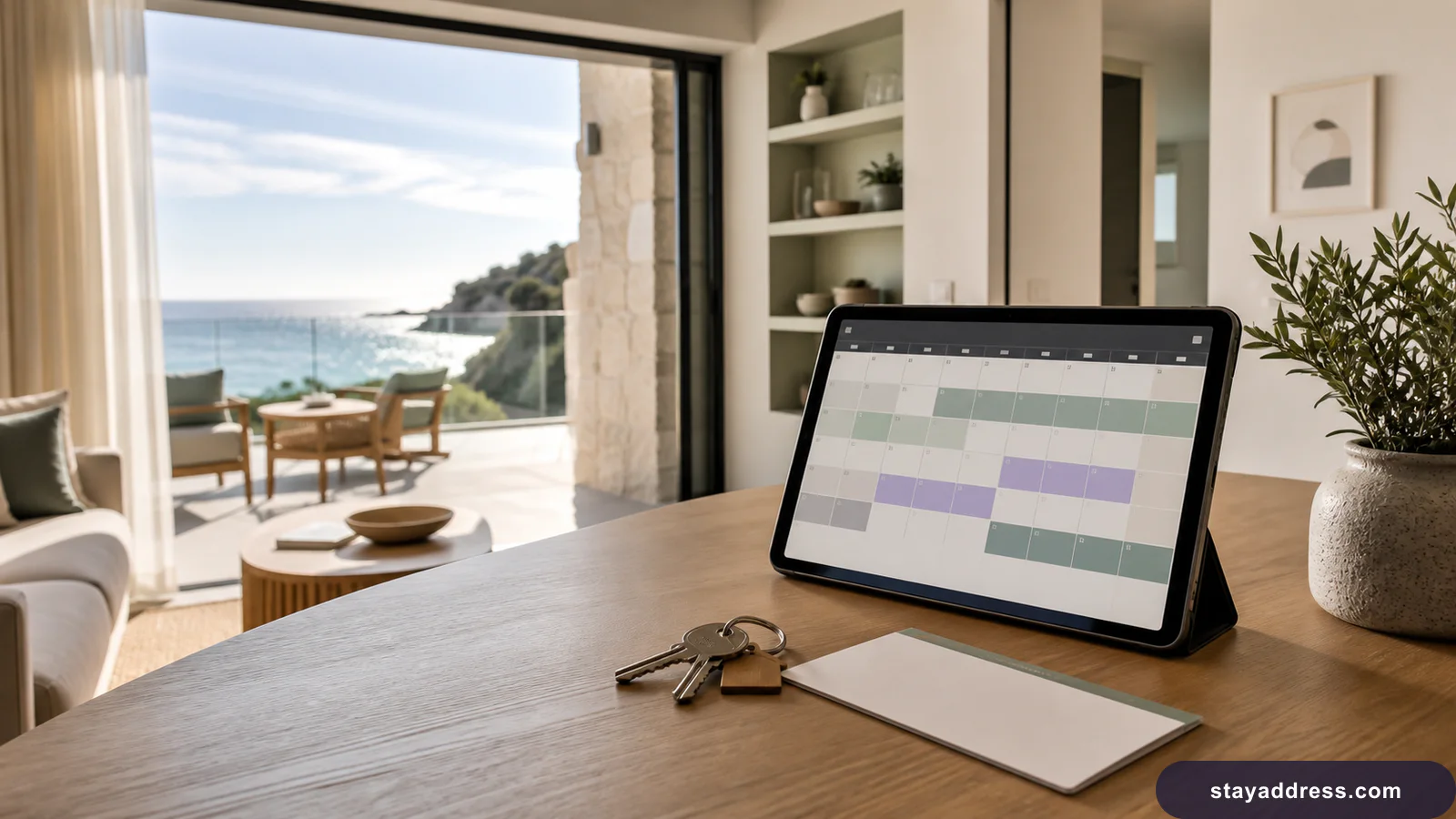
- A clear calendar or availability check
- Clear pricing including final cleaning and extra fees
- Cancellation policy and house rules in plain language
- Contact page or contact form for questions
Direct booking website: must-have versus optional
| Element | Must-have | Optional but useful |
|---|---|---|
| Own domain | Yes | – |
| SSL encryption | Yes | – |
| Booking flow with online payment | Yes | – |
| Imprint and privacy policy | Yes | – |
| Your own guest reviews | Recommended | – |
| Multilingual | – | Yes, depending on target audience |
The booking flow: few clicks, lots of clarity
The most important moment on a direct booking website is the booking button. Smoobu recommends placing it prominently – for example as a fixed button that stays visible while scrolling.
Hostaway stresses that the booking process should be as short as possible. Long forms, too many required fields or unclear steps cause guests to drop off. Three to five steps are standard: enter details, confirm travel dates, pay, receive confirmation.
Payment methods are a topic of their own. Credit card, PayPal and SEPA direct debit are standards many guests expect. If you only offer bank transfer, you lose spontaneous bookings.
- Visible booking button on every page
- No more than three to five steps to confirmation
- Instant booking confirmation by email
- Offer several common payment methods
- Mobile optimization, since many guests book on the go
Building trust: what convinces guests
Trust is harder to build on your own website than on a big platform, where reviews and seals of approval appear automatically. Smoobu recommends integrating your own guest reviews, for example through a widget or a separate page.
Hostaway emphasizes that complete and honest descriptions build trust. That includes pointing out possible noise sources, stairs or limited mobile coverage – anything that can affect the stay.
A complete imprint, a privacy policy and a real phone number or address are required in Germany and signal credibility. If you skip these, you look unprofessional – no matter how beautiful the apartment is.
- Your own guest reviews visible on the site
- Real photos, not edited glossy images
- Imprint, privacy policy and contact details complete
- Response times clearly communicated, for example by email or WhatsApp
Tech and visibility: being found
A beautiful website that nobody finds brings no bookings. Smoobu points out that a direct booking website should be optimized for search engines – with clear headings, meaningful text and fast loading times.
Hostaway adds that technical basics like SSL encryption (visible as https in the address) and a mobile-friendly layout are standard today. Google rates both positively.
If you also maintain a Google Business Profile, use local search terms like “vacation rental in [place]” and publish new content regularly, you boost your chances of showing up in search results.
- Your own domain with SSL encryption
- Fast loading times, mobile display
- Local search terms in text and headings
- Link your Google Business Profile and map
- Publish new content regularly, like blog posts or seasonal offers
Avoiding common mistakes
Smoobu lists typical pitfalls: hidden booking buttons, missing cancellation policies or prices that only appear at the last step. All of this creates distrust.
Hostaway warns against treating the direct booking website as just a business card. Without a working booking flow, it remains a digital showcase with no use.
Another mistake is setting up the site once and then never maintaining it. Outdated photos, calendars that are not updated or missing seasonal prices signal that nobody is working on it anymore.
- Prices transparent, including all fees
- Update the calendar regularly
- Test the booking flow yourself regularly
- Adjust content seasonally, for example for holidays or school breaks
Frequently asked questions
How much does a direct booking website for a vacation rental cost?+
Costs vary widely. Simple website builders start at a few euros per month, professional agency websites run into the four-figure range. On top of that come fees for the domain, booking system and payment processing.
Do I need an external booking system?+
Yes, in most cases. A channel manager or a simple booking system handles the calendar, payment and confirmation. Without this technology, the website is just a business card with no function.
How long does it take for a direct booking website to bring bookings?+
It depends on visibility, target audience and maintenance. With search engine optimization and regular content, first bookings can come within a few weeks, but a timeframe of several months is realistic.
Do I have to show all prices on the website?+
Yes, at least a price range. Guests expect a rough idea before they enter their details. Hidden costs lead to drop-offs.